False Breakouts vs Real Momentum on Vietnamese Equities
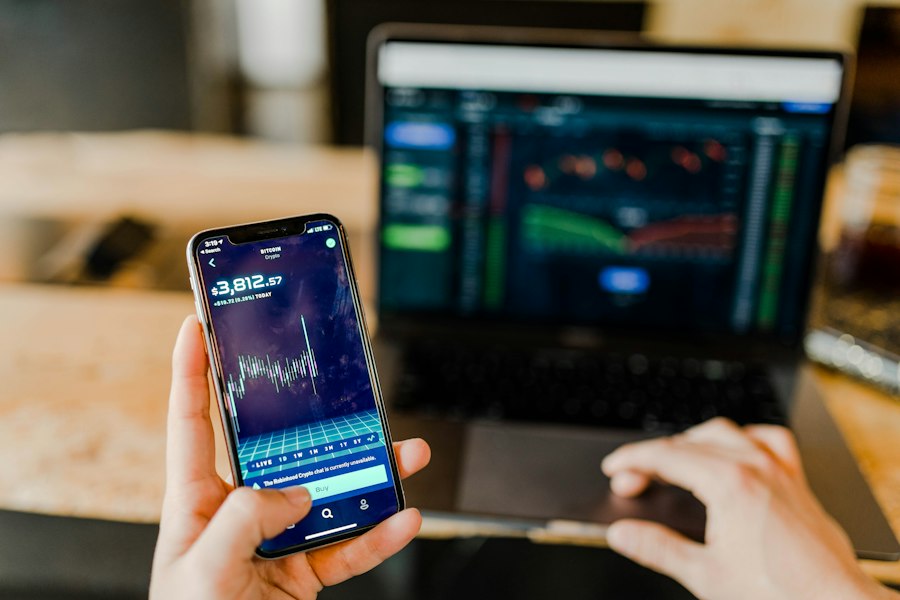
A level break on the morning of a HOSE session often looks decisive on a 15-minute chart and meaningless by the close. Breakout timing — knowing when a pierce will hold — is the skill our Intensive session addresses. This note summarises the three filters we apply before treating any break as actionable.
Filter 1: Where did the candle close?
Intraday pierces above resistance without a daily close above the level are warnings, not entries. On individual large-caps we apply the same rule on the 4-hour if you trade swings longer than three days. A break that holds for one hour but fails by afternoon session end is classified as a head-fake in our workbook taxonomy.
Filter 2: Volume relative to recent sessions
Absolute volume numbers vary by symbol — HPG will always trade more shares than a mid-cap industrial. We compare break-day volume to the prior twenty-session average for that specific symbol. On VN30 index breaks, a reading above 1.3× the twenty-day average on the break day suggests participation; below 1.1× suggests caution regardless of how clean the candle looks.
Filter 3: Retest behaviour within five sessions
Genuine breaks often pull back to the broken level (now support) within five sessions and hold. If price re-enters the old range and closes inside for two consecutive dailies, we reclassify the break as failed — even if the initial move looked strong. Waiting for a retest costs you some early momentum but filters a meaningful share of traps on Vietnamese liquidity patterns.
Putting the filters together
We score each break as Valid, False, or Inconclusive. Valid requires all three filters to pass. False fails any one filter decisively. Inconclusive means wait — usually a pending retest or ambiguous volume. Inconclusive is a legitimate outcome; forcing a label is how traders overtrade around levels.
The Breakout Timing Intensive runs these filters on ten historical examples and two live replays each session. Participants keep a laminated scoring card for their desk.